

Can A Concussion Create The Desire To Clean
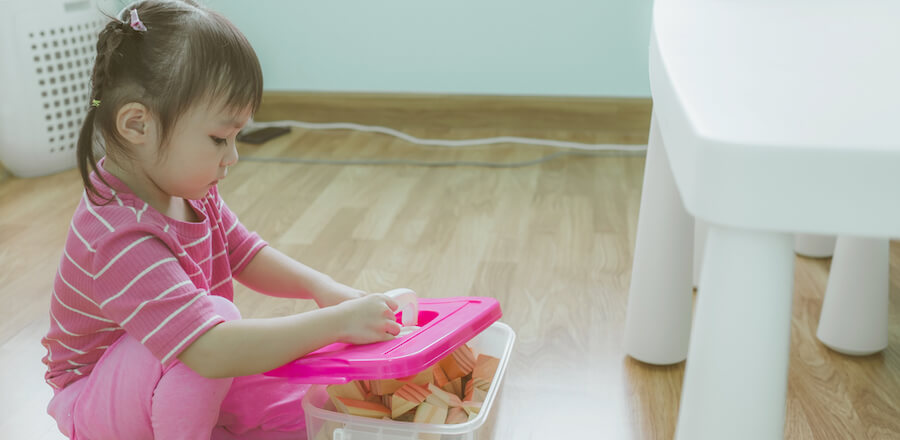
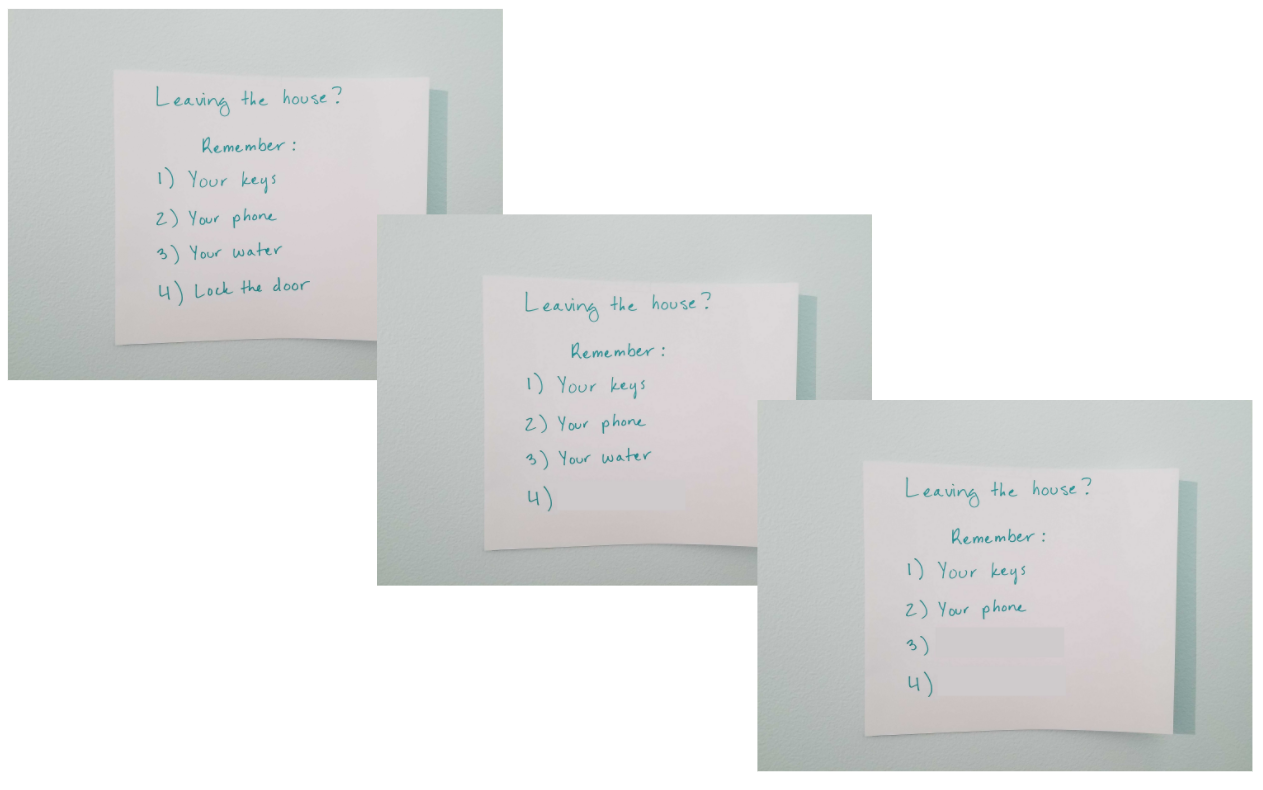
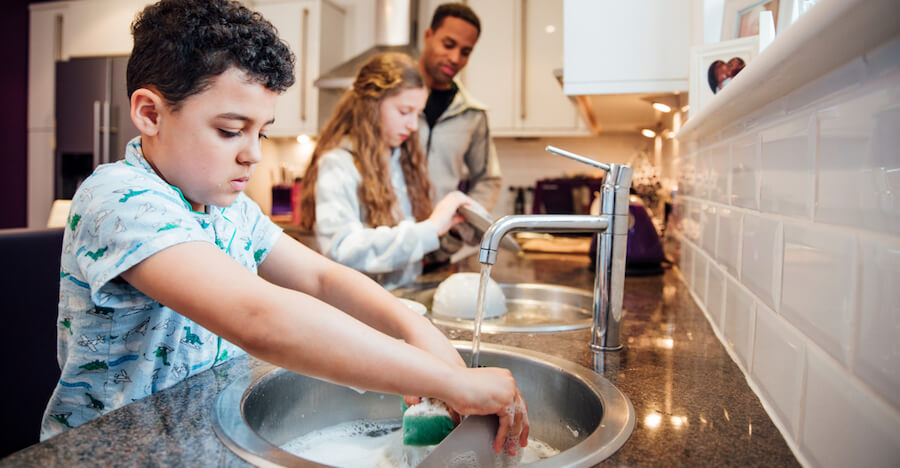
If someone yous honey breaks their wrist, information technology's like shooting fish in a barrel to know what's next. A doctor will tell you how long the injury needs to heal, what to do, and what not to do. Helping out could mean braiding hair or conveying books. While information technology's not a fun experience for anyone involved (and you might tire of beingness on dish duty every nighttime), there'southward e'er an end in sight. No ane struggles to sympathise why they're in pain from a broken wrist. Brain injuries are dissimilar. You lot can't come across the injury. Y'all have so many questions: How long will recovery take? Volition they always exist the same as they were before the injury? Which symptoms are from the brain injury and which are medication side effects? Meanwhile, your loved ane may have a hard time putting their feelings and pain into words. Their experience is and so much more than just saying "It hurts." Dissimilar with a broken os, there's no cracking and tidy formula for recovery; it looks different for each person. It'southward difficult on the patient and it's hard on the people around them who don't know when, if, or how long it volition take to recover. With a broken wrist there is a timeline. A broken bone doesn't crusade mood swings, emotional outbursts, disability to focus, retention struggles and so many other confusing symptoms like concussions do. Information technology's OK to grieve afterward someone y'all dear sustains a life-changing injury. Information technology's OK to be frustrated past the uncertainty of it all. If you're grappling with these emotions and wondering what you tin practise to help your loved one become ameliorate, this guide is for you. We embrace: The offset section of this postal service gives you resources to empathize the injury itself and how to handle specific scenarios and symptoms arising from that injury. Afterward, nosotros swoop into what you tin do equally a caregiver or friend of someone with a traumatic brain injury. Note: If you or a loved one are suffering from lingering symptoms after a traumatic encephalon injury, you're not lone. We can help. 95% of our patients feel statistically verified restoration of brain function. Their symptoms improve, on boilerplate, by 75% in merely one week. Volume a free consultation with our team to learn if yous are eligible for handling. One key to understanding how to assistance your loved one afterward a brain injury is learning about what they're going through. Some patients have a difficult fourth dimension putting into words what symptoms they are experiencing. Having a amend agreement of brain injury and its effects can help you sympathize more fully and know what they need. But that can be difficult when then many myths about concussion and traumatic encephalon injuries persist. Here are some examples: Myth: The best style to recover from a mild traumatic encephalon injury is to stay in a night room and residual. Fact: An active recovery is better. Patients who attempt some physical activity (to the extent that they can) and do cerebral exercises in improver to resting recover meliorate and faster. Myth: Symptoms of a concussion become abroad after ii weeks. Fact: While most mild TBI patients recover inside ii weeks, some have longer. Upward to 30% of people who sustain a concussion have symptoms that linger for months or years afterwards their injury (a condition known every bit post-concussion syndrome). This happens when the patient's neurons don't communicate efficiently with the blood vessels that supply them with free energy, a process called neurovascular coupling. Myth: You have to feel loss of consciousness to get a mild traumatic brain injury. Fact: Concussions tin can come from a blow to the head, whiplash, or jostling of the brain. Y'all don't have to lose consciousness. Concussion-similar disease tin can also come from other circumstances, such equally carbon monoxide poisoning, bacterial and viral disease, chemotherapy, mini-strokes, and more. Myth: Astringent traumatic encephalon injury symptoms will never get ameliorate afterward initial rehab. Fact: We believe recovery is life long. Why? Considering we've seen it. And because the brain's neuroplasticity allows it to proceed adjusting to your injury. While their brain may never brand a total recovery, they tin keep making progress, fifty-fifty if they've sustained some irreparable brain damage. While nosotros tin't tackle everything you need to know about traumatic brain injury in one post, we tin can point you to helpful resource for patients and their families. Here are some posts that walk through the basics: Anxiety Exercise intolerance Long and short-term Vision problems Brain fog Fatigue Nausea Depression Headaches PTSD Difficulty concentrating Calorie-free sensitivity Sleep problems This postal service is not a comprehensive list of every activity you can take to assist your loved i later on their injury, but it does include some of the virtually impactful practices y'all can embrace. Here's what to practice after your loved 1 comes home from the emergency room or doctor's role and settles in (not in order of importance): Go along in mind that your role may shift equally they move through the recovery process. An acute concussion recovery might only accept two weeks, whereas post-concussion syndrome may continue indefinitely until treated. Astringent traumatic brain injury patients may need help with basic tasks such every bit bathing and eating at first, or they might merely need help in key symptom areas (like memory). The severity of the injury, the type of injury, and their treatment regimen greatly impact their recovery journey; how you take care of them will accept to arrange to their needs and progress. Note: This post is not meant to replace a doctor's medical communication. In case of a conflict, follow the treating health care provider's instructions first. If you have questions about mail-concussion syndrome treatment and recovery, you can reach out to our team . After a brain injury, the normal daily activities your loved ane used to do hands may suddenly have go overwhelming. A simple trip to the grocery shop might now be an incomprehensible maze filled with glaring lights and the distress of forgetting what they came for. But that doesn't mean they can't try to practice the shopping, or the cleaning, or their piece of work. Instead, they may demand some help breaking down an activity into manageable pieces. For example, if they want to exercise the grocery shopping, help them break it into smaller tasks like this: Notation: Depending on the severity of their injury, cooking and driving may be likewise ambitious. Talk to their doc about which goals are doable, respect their wishes, and assistance them practice any they're motivated to attempt (safely). If their goal is to make clean the kitchen, perhaps you lot encourage them to start by loading the dishwasher, then wiping counters, then taking a break earlier cleaning the floors or taking out the trash, and so forth. Whatever they need to practice, help them exercise information technology slice past piece so that they aren't only getting frustrated and giving up when they start to feel overwhelmed. Brilliant or fluorescent lights, loud noises, crowded or visually busy spaces, and conversations with more ane person at a time are all common triggers of overwhelm in mild to astringent TBI patients. Learn what causes your loved one distress, learn their limits, and assist them stay engaged up to that point. After that, you might need to help them disengage and recharge. For case, let'south say you're planning to go to Costco and your spouse has a brain injury. You know the crowds and the lights will carp your spouse. Instead of leaving them at home, bring them to the shop, simply don't dawdle. No chatting with the couple you lot know from church or wandering down the aisles with gadgets you lot demand. Become in, get the items on your list, and become out before your spouse gets overwhelmed. If they can't handle a whole Costco trip, you could get them a snack at the food bar and and so let them retreat to the car when they're tired. Another instance is driving. For patients with sure vestibular or visual symptoms, either driving or beingness a rider could trigger symptoms. For some, driving is more comfortable than being a passenger. For others, being a passenger is much easier than driving. Acquire which 1 is best for your loved one and allow them exercise that. Some exposure to triggers is expert. Information technology volition assist their recovery. But the goal is non to push them into a state of overwhelm or to make them practise annihilation they're not ready to do. Afterward a brain injury, information technology'southward piece of cake for patients to get overwhelmed. Their brain only can't handle all the stimuli it used to. For some people, getting overwhelmed leads to angry outbursts or tears of frustration. Others become withdrawn and seek escape. Some signs of overwhelm include getting a glazed over or glassy-eyed look, difficulty expressing themselves, withdrawing from conversation, and mounting frustration. Learn the warning signs of overwhelm in your loved ane and then you tin intervene when they need it. Make sure they ever have a quiet, prophylactic space to retreat to. For case, if y'all have guests over or are visiting friends, prepare bated a dark, tranquility room exclusively for your loved one to utilise. If they start getting overwhelmed, they can retreat to that space to exhale it out and render when they're feeling better. Socializing later on a encephalon injury is hard, merely it'south all the same important for you both to spend fourth dimension with friends — even during the coronavirus pandemic, as long as yous are following Centers for Disease Control and Prevention (see cdc.gov) guidelines for interacting safely. If dinner and a lath game is too much, consider alternatives, such equally a lunch date. It's shorter and therefore requires less stamina. You can brand pocket-sized changes around the business firm to make information technology a safer, less stressful environment for your loved i. If they have any issues with residual or gait after their injury, information technology'south time to declutter. Keep all the major pathways articulate of toys (exist they for kids or pets), boxes, and other objects. If you have rugs, consider rolling them up for now — they are a tripping hazard. If they have brusk-term retentivity bug, brand little signs to assistance them out at first. For case, you tin can make a sign for the door that has the main items they demand (e.g., keys, water bottle, wallet). To help them exercise their memory, gradually reduce the number of items on the list so they have to think through what the missing items were. Monitor their primal spaces — the desk, the bedroom, and any other spaces where they spend a lot of time. Help them continue everything organized in those areas so that it a) stays consistent and b) makes them happy. Doing and then will help them find what they need and feel safe, which lowers their stress levels and aids recovery. If they take light sensitivity, encourage them to spend time in family rooms by dimming the lights. If you lot don't accept a dimmer switch, try removing some lite bulbs (but not all of them) or covering lamps with a translucent material (keep an eye on their temperature and don't leave them indefinitely every bit this could pose a fire risk). If they desire to spend fourth dimension on the calculator, smartphone, or Idiot box, get them blue light filtering glasses. This will help reduce headaches and centre strain from screen fourth dimension. If they're holding an electronic device actually close to their face, try to coax them into moving the screen farther away. Keeping a consistent daily routine helps, besides. It volition decrease their stress and help them become more self-sufficient as they improve. Brain injury patients aren't ever eager to leave their prophylactic spaces. Some patients volition stay locked in a dark room for days on end. While you shouldn't try to forcefulness them out, y'all can encourage them to make progress. Invite them on a short walk around the block with you. They may need to wear sunglasses, or take advantage of a cloudy day. Exercise is great for the brain! Meet if they'll permit yous open up the shades only a tiny bit; maybe you lot tin slowly increase the light in that room. If they can't handle conversations well, take just one friend over at a time instead of three. Or perhaps you can start with 20-minute social visits that slowly increase in length. The key is not to be forceful. Instead, be encouraging, and take care of the little details so it's easier for them to say aye. If they say no, endeavour once again another solar day. Some brain injury patients are able to exercise quite a lot; others tin practise very little. Information technology all depends on the severity of their symptoms. If you're their caregiver (or a adept friend looking to help out), and then you will likely have to take over some chores and other obligations for them. If they were the family caregiver in charge of the schedule, for example, you may have to get a shared wall agenda to get that responsibleness off their plate. If they struggle with driving, someone else needs to handle that, whether it's getting them to follow-up medical care appointments or driving the kids to soccer practice. If you tin can't do information technology, find someone who can. However y'all divvy up the piece of work, make sure your loved 1 is a role of the conversation. Don't forcibly take tasks from them unless it's a prophylactic issue. Instead, inquire what they'd like aid with and talk to them nearly how information technology needs to exist done. Allow them be a part of what's happening, even if they tin't practise it the way they did earlier. Patients need actress support while going through treatment. Hither's what we recommend family unit and friends help with when patients get treatment at our clinic: We love to come across friends and family unit get involved and help their loved ones through treatment! That said, we practice recommend against observing cognitive and concrete therapy sessions. Sometimes family members need to be present (for instance, if you need to translate or are learning the therapy technique to go along doing it with them at home). Simply most people actually make more progress in therapy when their family members aren't watching. Information technology takes some pressure off, and it removes the possibility of you stepping in to help, which they might have grown used to. These two behaviors are easy to fall into, simply they're not healthy or for the patient. It's tempting to step in and do whatsoever needs doing, specially when you lot encounter your loved one struggling. But that struggle is really primal to their recovery: They need to become practice doing things that are hard. Their brain needs as much trouble solving practise as information technology can go without overloading. So the adjacent time you're out for a meal, don't social club for them. Permit them do it (or help them through it) rather than speaking on their behalf. When a friend asks them a question, let them answer. When they're trying to prepare a snack, let them. Give them some autonomy. If they attempt and fail, then y'all can step in. Only the brain learns from that attempt, even if they fail. It's an important function of the recovery process. As hard as information technology may exist to sentinel from the sidelines, yous are helping them immensely past letting them neglect sometimes. If you lot drop a plate and they scream at you, it'due south non because you lot did something terrible; information technology's that the noise triggered their autonomic nervous arrangement and fabricated them panic, leading to an exaggerated response. Mood swings and irritability hurt both patients and their caregivers. They're not trying to make your life hard. Many patients are distraught at the lack of emotional command they have afterwards an injury. Unfortunately, a brain injury makes it a) easier to trigger an emotional reaction and b) harder for them to keep those emotions under control. Their brains are dealing with too much. Brain injury can take a severe price on mental health. Nosotros highly recommend therapy for family unit members as well as for the injured person. Your loved ane can learn animate and mindfulness practices to help with outbursts, only in the meantime, notice someone yous can vent to, or locate a support group with other caregivers like you. Everyone can do good from some emotional back up. If y'all have children who are affected by these changes, sit down downwards with them and explicate that their family fellow member'due south encephalon is not the same as before and that it needs a fiddling more fourth dimension to calm down. You might exist surprised past how much that knowledge helps them cope — information technology's usually a huge relief for them to understand that their family member'due south extreme emotional reactions are non their mistake. Caregiver burnout is a state of exhaustion (physical, mental, and emotional) accompanied past a alter in attitude toward the patient. If you're suffering from burnout, you might observe that you used to be concerned and caring, but at present you feel resentment toward the patient for being so needy. Caregiver burnout is especially common when a traumatic encephalon injury is involved. Depending on the injury severity, caregiving tin exist a lot of work. Meanwhile, you still have to bargain with the grief and uncertainty of wondering how much they will recover and how long information technology will take. Since TBI often comes with emotional changes, you lot may be on the receiving cease of their frustration or sadness (whether or not they hateful you lot to be). If you accept caregiver burnout, it does not mean that you are a bad person! It actually makes you very normal. It merely means you need to take a pace back and care for yourself before you lot can offer care to someone else. These practices are all fundamental to stave off burnout: Admittedly, these practices are easier said than done. Traumatic encephalon injury can bring huge shifts in responsibility and financial well existence. You might exist down one income, or be juggling a full-fourth dimension job and caregiving. If you feel like there'due south no fashion to take care of yourself and the injured person, that'south a problem! Merely you tin solve that problem. Break out some pen & newspaper (and the calendar) and make a list of what you're doing and what you demand to do. Make a schedule. Figure out what you have to do versus tasks you can hand off to family members and friends. Run into if you lot're doing something that the patient could actually practice for themselves; oft, caregivers do more than than they have to but because they feel like they should. Make a plan you tin really follow instead of 1 that leaves you in tears because you lot can't proceed upward. If you find yourself burned out, it is so important to stride back and residual. Find a temporary, alternate caregiver (or permanently, if need be), and nurse yourself back to health. You can't give what you don't have — nor should you have to. Brain injury is an "invisible" illness. We can't see what's wrong, but it is so hard on both patients and their loved ones. It's OK to grieve the past and be uncertain nigh the time to come. You're allowed to get frustrated and work through difficult emotions. The way things are at present is not how they'll be forever. The brain is an amazing organ that tin regain some or all of its office through neuroplasticity. This doesn't mean there won't be bumps in the road. Illness (from the mutual cold to COVID) and other sources of concrete distress tin set dorsum their recovery timeline. We understand that when a person suffers from a head injury, the people around them suffer besides. We have seen the struggle and the emotional roller coasters that back up people face. You are not lonely in this. Just keep doing your all-time to support your loved one in their recovery. It'due south a difficult road, but they will make more progress with your help! If y'all or a loved one are suffering from lingering symptoms subsequently a traumatic brain injury, yous're not alone. Nosotros tin assistance. 95% of our patients experience statistically verified restoration of brain function. Their symptoms meliorate, on average, by 75% in merely i week. Book a gratuitous consultation with our squad to learn if you are eligible for treatment.
Understanding Your Loved I's Brain Injury
memory loss
How to Assistance Someone with Traumatic Brain Injury Recovery
1. Aid Them Break Downwards Their Tasks

2. Larn Their Triggers

3. Monitor Their Overstimulation

iv. Make Home a Friendlier Place
5. Help Them Aggrandize Their Condolement Zone

six. Presume Ownership of Tasks They Tin can't Handle for Now
vii. Back up Them During Treatment

Avert These Two Unhelpful Behaviors
ane. Doing Everything for Them
2. Taking Their Behavior Personally
What to Exercise Almost Caregiver Burnout

Don't Requite Up!


Source: https://www.cognitivefxusa.com/blog/how-to-help-someone-with-traumatic-brain-injury-concussion
Posted by: robertsefte1940.blogspot.com
0 Response to "Can A Concussion Create The Desire To Clean"
Post a Comment